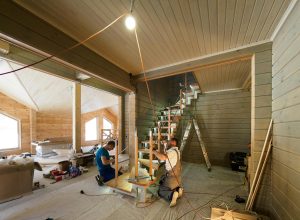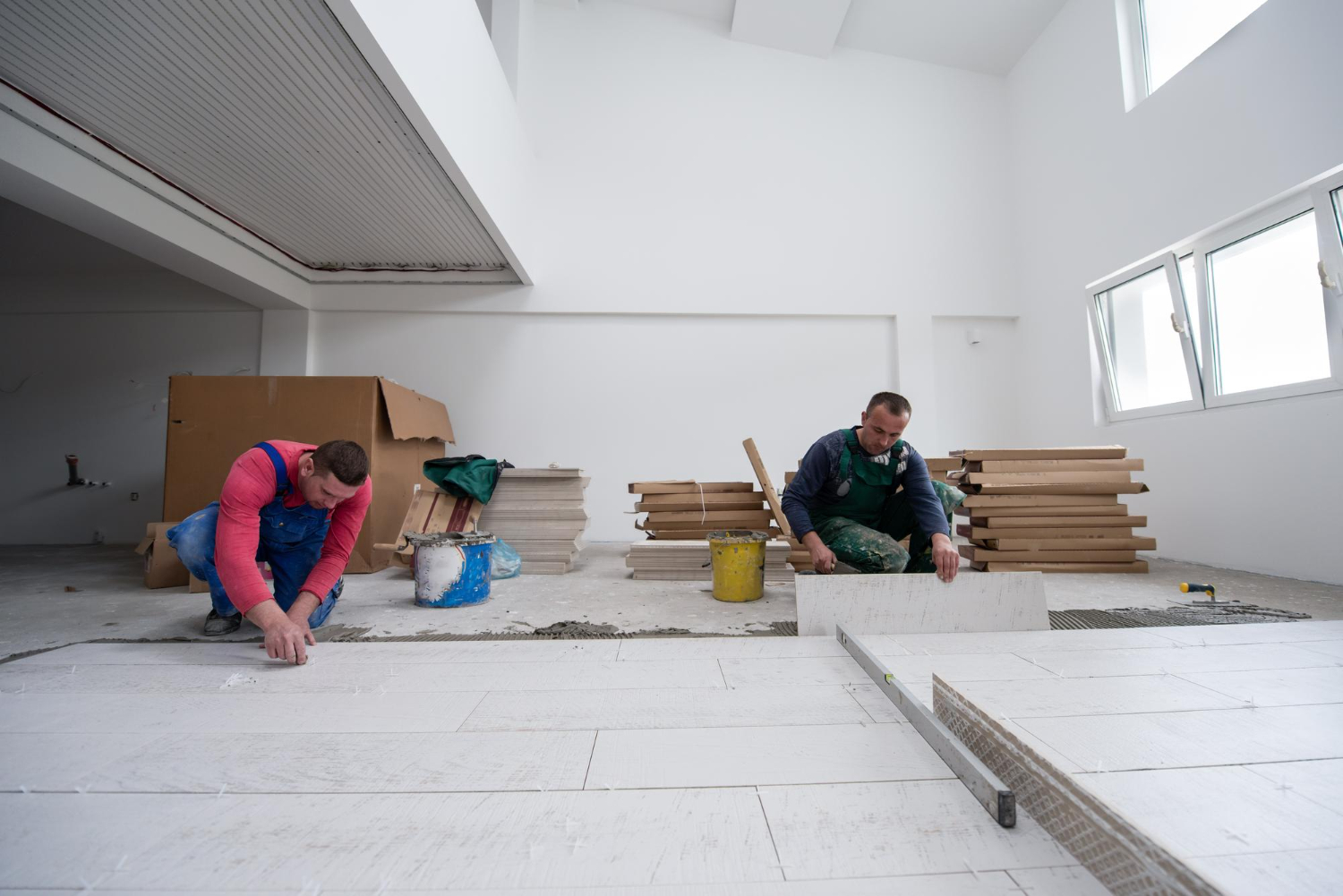
A floor may seem to be just another finishing choice. Far from it. The subfloor, moisture content, delivery time on materials, and special considerations for the room are all factors in determining how well your floor will perform or fail prematurely. This realization usually comes after the floor has been laid down, not beforehand.
Why Flooring Projects Fail More Often Than Homeowners Realize?
Floors fail because of what is underneath them, not what is on top. A damaged subfloor, trapped moisture, or improper leveling will ruin any material placed over it. Flooring renovations Stoney Creek contractors who skip the assessment phase are setting the project up to fail before the first plank goes down.
What Subfloor Problems Actually Cost You?
However, correcting a subfloor when floor covering is already installed will require two to three times as much money as doing it beforehand. This is what cost-conscious homeowners don’t expect.
What Makes Basement Flooring a Different Problem Entirely?
Below-grade spaces hold moisture that above-grade floors never encounter. Standard flooring materials crack, warp, and grow mold in basements within one season. A basement apartment renovation Stoney Creek project requires materials rated for below-grade conditions, not whatever is on sale at the supply house.
Why Rental Units Demand Tougher Material Choices?
A basement apartment renovation Stoney Creek endures much more wear and tear than a regular bedroom. Issues such as traffic, sound transmission, and water exposure all affect the longevity of flooring. Deciding purely on appearance will be expensive for property owners in the initial term of the lease.
How Wet Areas Change Every Flooring Decision You Make?
The bathroom needs slip-resistant tiles, tightly fitted grout, and waterproof materials due to daily water exposure. The wrong tile in a wet area poses safety risks and can cause water damage that can spread to walls and subfloors. A bathroom renovation Stoney Creek with the wrong floor choice causes damage well beyond the bathroom itself.
Why Heated Floors Need to Be Planned Before Anything Else?
Floor heating systems require a thicker tile thickness and a thicker subfloor layer. Heat applied under the wrong flooring may cause cracks in the material.
Why Seeing Materials in Person Changes What You Choose?
Online images do not show real color, texture, or scale. A floor that looks perfect on a screen reads completely different in your actual space. Flooring renovations Stoney Creek homeowners who select materials in person make fewer final changes and face fewer surprises on installation day.
Lighting, wall color, and cabinet finish all affect how a floor looks once it is down. Showroom visits eliminate the guesswork that leads to change orders and delays.
Conclusion
Do not try to save time on flooring plans. You cannot make quick decisions before laying your floors, as many issues will arise that will be much more expensive to rectify afterward. The problem of subfloor moisture and the use of the wrong materials does not emerge immediately, but only six months after installation.
A bathroom renovation Stoney Creek, or any wet-area flooring installed without moisture testing and substrate evaluation, will require replacement before its time. Partner with a company that will conduct an evaluation and recommend the appropriate products for your floors before you buy the flooring boards. This is what makes the difference between a failing floor and a successful one.
Frequently Asked Questions
What Is the Best Flooring for a Bathroom?
Porcelain tile is the best flooring for a bathroom. It handles moisture, resists stains, and holds up under daily use. Ceramic tile and luxury vinyl plank are strong alternatives. Both are water-resistant, easy to clean, and available in a wide range of styles.
What Are Common Bathroom Renovation Mistakes?
Choosing the wrong tile for wet areas, skipping waterproofing behind walls, ignoring ventilation, underestimating the budget, and starting installation before plumbing and electrical work is fully complete.
What Are the Three Types of Bathrooms?
A full bathroom includes a toilet, sink, shower, and tub. A three-quarter bathroom has a toilet, sink, and shower but no tub. A half bathroom, also called a powder room, has only a toilet and sink.